
How Window Tint Protects You and Your Family

A window looks harmless until the sun turns a car into an oven, glare makes the road harder to see, or a broken pane sends glass across the floor. Window tint is often treated like a style upgrade, but good tint does much more than change the look of a vehicle or home.
The right film can reduce heat, soften harsh light, add privacy, help hold broken glass together, and protect interiors from fading. It will not solve every safety concern, and it should always be installed within local laws and manufacturer guidelines. Still, for many families, window tint is a practical layer of everyday protection.

Window tint helps reduce UV exposure
One of the biggest reasons people choose window tint is sun protection. Ultraviolet rays can pass through glass, especially through side and rear vehicle windows or untreated home windows. Over time, that exposure can affect skin, eyes, upholstery, flooring, and furniture.
Many high-quality window films are designed to block a large share of UV radiation. This can matter on long commutes, road trips, school pickup lines, and sunny rooms where children, pets, or older adults spend time.
This protection is useful because UV exposure is not limited to beach days or obvious outdoor activities. It can happen while sitting by a bright window, driving in midday sun, or spending hours in a sun-facing room.
Window tint can help protect:
Skin during daily driving and long trips
Children riding in the back seat
Pets resting near sunny windows
Upholstery, dashboards, carpets, and wood flooring
Framed photos, artwork, and fabrics
Tint should not replace sunscreen, sunglasses, or other sun-safe habits. It simply adds another barrier between your family and strong sunlight.
It keeps cars and rooms more comfortable
Heat is more than an annoyance. A hot vehicle can make children cranky, pets uncomfortable, and drivers distracted. A room that gets too much sun can be hard to use during part of the day.
Window tint helps manage heat by reducing the amount of solar energy that enters through glass. The exact performance depends on the type of film, the glass, and the level of tint. Ceramic and other higher-performance films can reject heat well without always needing to look very dark.
In a vehicle, this can make a noticeable difference when you first get in after parking outside. The cabin may still be warm, but less intense. Seats, seat belt buckles, and steering wheels may be easier to touch. The air conditioner may also cool the space more quickly.
At home, window tint can help balance rooms that get direct sun. A west-facing living room, nursery, playroom, or home gym may feel more usable when the sun is strongest.
Comfort matters because people behave better when they are not overheated. Drivers stay more focused. Children settle more easily. Pets have a safer, calmer space. The benefit is simple, but it affects daily life.
It cuts glare and helps visibility
Glare can turn a normal drive into a stressful one. Low morning sun, bright reflections from other vehicles, wet pavement, and headlights at night can all make it harder to see clearly.
Window tint can reduce the intensity of harsh light. That can help drivers keep their eyes on the road with less squinting and strain. It may also make back-seat passengers more comfortable by reducing direct sun in their eyes.
This same benefit applies at home. Tint can reduce glare on televisions, tablets, computer screens, and reading areas. A sunny room can stay bright without feeling harsh.
There is a balance, though. Tint that is too dark can reduce visibility, especially at night or in bad weather. For vehicles, state laws regulate how dark tint can be on different windows. These rules often use VLT, or visible light transmission, which measures how much light passes through the glass and film.
A smart tint choice improves comfort without creating a visibility problem. For family vehicles, that usually means choosing performance over darkness.
It adds privacy without closing off the world
Privacy is another major reason people install window tint. In a car, tint can make it harder for strangers to see children, bags, sports gear, electronics, or personal items. At home, tint can reduce the view from the street into bedrooms, bathrooms, living rooms, and front-facing spaces.
This privacy is not absolute. Lighting conditions matter. At night, if lights are on inside and it is dark outside, some films may become easier to see through from the outside. Still, during the day, tint can create a helpful visual barrier.
For families, privacy can feel especially valuable in everyday moments:
Nursing or feeding a baby in a parked car
Letting a child nap during a road trip
Keeping school bags and strollers less visible
Using street-facing rooms without keeping blinds closed all day
Giving teens more comfort in bedrooms or study spaces
Privacy tint can also help a home feel less exposed while still letting in natural light. That is a major difference from curtains or blinds, which often block both the view and the sunshine.

It can help hold broken glass together
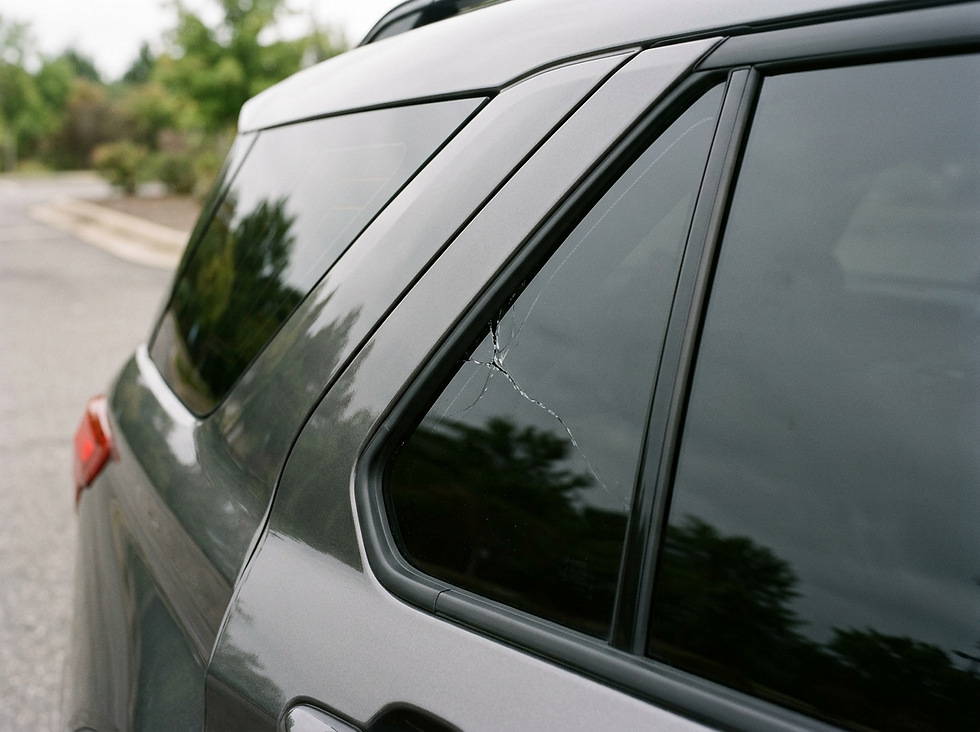
Standard glass can shatter into dangerous pieces when it breaks. A car accident, road debris, attempted break-in, severe weather, or a stray baseball can send fragments into a vehicle or room.
Window film can help hold broken glass together after impact. This does not make the glass unbreakable. It does not turn a window into a security wall. But it can reduce the chance of loose shards spreading quickly.
In a vehicle, this extra layer may help in situations where side or rear glass breaks. In a home, security or safety film can help keep broken panes more contained until repairs are made.
This matters most in spaces where children and pets are often nearby. A broken window in a playroom, sliding door, or back seat can create a fast-moving hazard. Film can give adults a little more time and control during cleanup.
For stronger protection, look for films made specifically for safety and security. Decorative or basic solar films may not perform the same way. Installation quality also matters, especially around the edges of the glass.
It protects the inside of your car and home
Sunlight can age interiors. In cars, it can fade seats, dry out trim, crack dashboards, and damage leather or vinyl over time. In homes, it can lighten hardwood floors, bleach rugs, and fade furniture fabric.
Window tint slows that process by reducing UV rays and solar heat. This helps protect the things your family uses every day.
In a vehicle, tint can help preserve:
Car seats and booster seats
Leather, cloth, and vinyl upholstery
Dashboards and door panels
Rear cargo areas
Electronics left mounted or stored inside
At home, tint can help preserve:
Sofas and chairs near windows
Wood flooring and trim
Curtains, rugs, and bedding
Books, framed photos, and artwork
Tables and cabinets in sunny rooms
This is not only about keeping things pretty. Replacing faded flooring, cracked dashboards, or damaged furniture can be expensive. Tint can extend the life of those materials and help spaces feel cared for longer.
It may support better energy use
When windows allow a lot of heat inside, cooling systems have to work harder. In cars, that means the air conditioner runs stronger for longer. At home, it can mean higher cooling demand during hot months.
Window tint can reduce heat gain through glass. That may help a vehicle cool faster and help some rooms stay more comfortable with less air conditioning. The results depend on climate, window direction, glass type, insulation, and the film itself.
For homes in sunny parts of the United States, film can be especially helpful on south-facing and west-facing windows. These areas often get the hottest during the day. Treating the most exposed windows can make a bigger difference than tinting every pane without a plan.
A professional installer can often help identify which windows create the most heat and glare. That can keep the project focused and practical.
Different types of window tint offer different protection
Not all tint is the same. The film that looks good on one vehicle or home may not be the best fit for another. The right choice depends on what you want to solve first.
Type of film | Best for | What to know |
Dyed film | Basic privacy and appearance | Often more affordable, but may offer less heat rejection than higher-end films |
Metalized film | Heat reduction and durability | Can sometimes interfere with signals, depending on the product and installation |
Carbon film | Heat control with a matte look | Often resists fading better than basic dyed film |
Ceramic film | Strong heat and UV performance | Usually costs more, but can work well without looking very dark |
Safety and security film | Holding broken glass together | Designed for impact resistance, not just shade or appearance |
Decorative film | Privacy and design in homes | Good for bathrooms, doors, and street-facing windows |
For family protection, ceramic and safety films are often worth asking about. Ceramic film is useful when heat and UV protection are priorities. Safety film is useful where breakage is a larger concern.
Some products combine benefits, but no single film is perfect for every situation. A nursery window, a front windshield strip, a sliding patio door, and a family SUV all call for different choices.
Legal tint limits matter for family safety
Vehicle tint laws vary by state. They can set limits for the windshield, front side windows, rear side windows, and back window. Some states also have rules about reflectivity or medical exemptions.
These laws exist partly because police officers, drivers, and pedestrians need safe visibility. Tint that is too dark can make it harder to see out at night, during storms, or while backing up. It can also create problems during vehicle inspections or traffic stops.
Before tinting a family car, check the rules in your state. A reputable installer should understand local requirements and help you choose a legal option.
For home windows, the legal issues are usually different. Homeowners associations, condo boards, historic districts, and rental agreements may restrict exterior appearance. If you live in a community with rules, check them before installing reflective or dark film.
Professional installation makes a difference
Window tint is only as good as the film and the installation. Poor installation can leave bubbles, peeling edges, dust, uneven cuts, or weak adhesion. These problems do not just look bad. They can reduce performance and shorten the life of the film.
Professional installers know how to clean glass, cut film, handle curves, and manage edges. They can also explain maintenance, curing time, warranties, and legal limits.
A good installer should be able to answer clear questions:
What type of film fits this window or vehicle?
How much visible light will pass through?
How well does it reduce heat and UV exposure?
Is it legal for my vehicle in this state?
How long will it take to cure?
What cleaning products should I avoid?
What warranty comes with the film and labor?
Be cautious with very cheap tint jobs. Low-cost film may fade, turn purple, bubble, or peel faster. A higher-quality film can cost more upfront, but it often performs better and lasts longer.
How to choose tint for your family’s needs
Start with the problem you want to solve. If the car feels too hot, focus on heat rejection. If a room faces the street, focus on privacy. If a sliding glass door worries you, ask about safety film. If glare is the issue, choose a shade that softens light without making the space too dark.
For a family vehicle, a practical setup might include legal front side window tint, stronger rear passenger window tint, and a clear or nearly clear UV-blocking film where allowed. For homes, it may mean treating only the hottest or most exposed windows first.
Think about daily routines:
Where do children sit in the car?
Which rooms get harsh afternoon sun?
Do pets rest near windows?
Are valuables visible from outside?
Do any windows sit near play areas?
Does anyone in the home have strong light sensitivity?
These questions lead to better choices than simply picking the darkest film available.
Window tint is a small upgrade with daily benefits
The best family protection often comes from simple layers. Seat belts, car seats, locks, smoke alarms, sunscreen, curtains, and safe driving habits all play a role. Window tint belongs on that list because it works quietly in the background.
It can reduce UV exposure, make hot spaces more comfortable, cut glare, improve privacy, help contain broken glass, and protect interiors from sun damage. The key is choosing the right film, staying within the law, and getting it installed correctly.
A good tint job should not make life harder. It should make daily drives, sunny rooms, and family spaces feel safer, cooler, and more comfortable.


Comments